
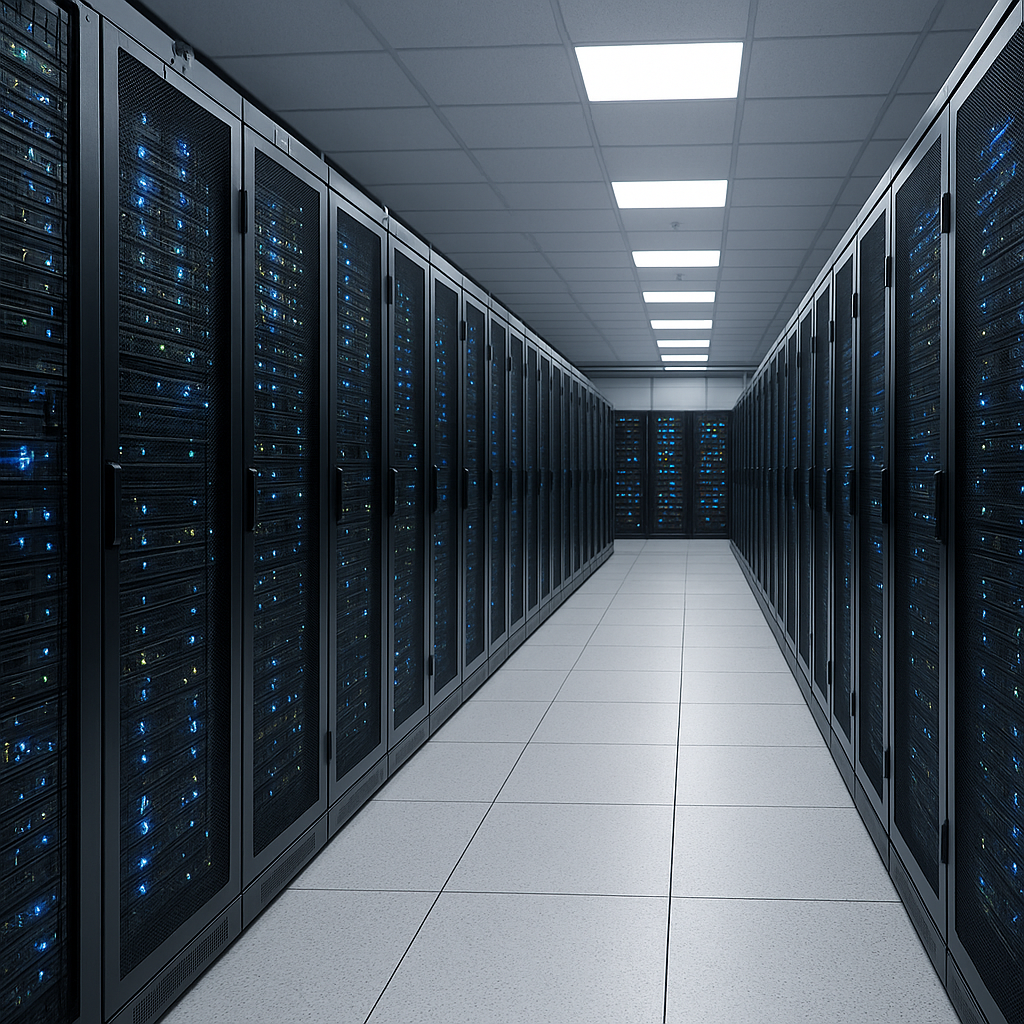
Internet servers are physically located in data centers, company buildings, universities, and other facilities around the world. They belong to thousands of different businesses, organizations, and individuals. There is no single building, country, or main server where the entire internet is stored.
Instead, the internet operates through a distributed network of interconnected computers. Websites, applications, videos, and other online information are stored and delivered by servers in different locations. This global infrastructure allows billions of devices to access online services without relying on one central facility.
Where Are Internet Servers Physically Located?
Most large-scale internet infrastructure is housed in data centers. These are specialized facilities containing numerous servers connected to high-speed networks. They typically have cooling equipment, backup power supplies, and systems that help keep the hardware operating continuously.
According to Cloudflare’s explanation of data centers, these facilities contain networked computers that process, store, and share digital information.
However, not every server is located inside a massive data center. Internet servers can be found in several types of facilities:
- Commercial data centers. Large buildings operated by technology companies, cloud providers, and hosting businesses.
- Company facilities. Businesses may maintain their own server rooms to support websites, databases, and internal services.
- Universities and research institutions. Educational and scientific organizations operate servers for research, academic resources, and computing projects.
- Smaller hosting facilities. Independent providers maintain equipment for websites and online applications.
Major concentrations of data centers exist in many parts of the world. In the United States, Northern Virginia is a prominent data center hub, while Oregon also hosts significant infrastructure. European locations include Frankfurt, Germany, and Ireland. In Asia, Singapore and Tokyo, Japan, are important hosting and cloud computing locations.
For example, Amazon Web Services’ global infrastructure includes facilities across North America, Europe, Asia, and other regions. These are only examples: internet servers operate in many additional countries and cities.
What Do Internet Servers Do?
A server is a computer or software system that provides information or services to other devices over a network. When someone opens a website, watches a video, or uses an online application, servers help process the request and deliver the necessary data.
Different servers perform different tasks:
- Web servers respond to requests for websites and deliver web pages, images, and other content.
- Application servers handle operations behind online services, such as processing user requests and managing application functions.
- File servers store files and make them available to authorized devices or users.
- DNS servers help devices find the network addresses associated with domain names.
For example, when you enter a website address into your browser, DNS helps identify where the site can be reached. Your browser then requests information from a server, which returns the data needed to display the page.
A small website may run on one server or share computing resources with other websites. Large platforms often use many servers distributed across multiple data centers. Different parts of the same service may even operate in different countries.
Why Are Internet Servers Spread Around the World?
Distributing servers across different locations helps online services operate faster, handle more users, and remain available when individual facilities experience problems.
There are three main reasons for this arrangement:
- Speed. Servers located closer to users can often deliver information with less delay. This is particularly important for streaming, gaming, and interactive applications.
- Reliability. When a data center experiences a power outage or another failure, services may continue operating through infrastructure in other locations.
- Capacity. Distributing requests across multiple servers prevents one machine or facility from handling all the traffic.
Content delivery networks, or CDNs, extend this approach. Services such as Cloudflare and Amazon CloudFront store copies of certain website resources on servers in multiple regions.
For instance, a user in California might receive website images from a nearby CDN server instead of downloading them from an original server in Europe. This can reduce loading times and traffic on the original infrastructure.
However, the physically closest server is not always the one used. Network routing, server availability, and traffic conditions also influence where requests are processed.
Is There a Main Server That Controls the Internet?
No. The internet does not have a single central server or one organization that controls every connected network. It is a collection of independently operated networks that communicate using common technical standards.
Internet service providers, technology companies, universities, governments, and other organizations manage different parts of this infrastructure. They connect their networks to exchange information and make online services accessible worldwide.
One source of confusion involves the Domain Name System (DNS). DNS works somewhat like an address directory, helping computers find internet resources by translating domain names into information needed to locate their servers.
At the top of this naming system are root DNS servers. They help direct requests toward the correct domain name servers, but they do not store every website or control all internet traffic.
According to ICANN’s description of the root server system, 12 independent operators manage 13 root server identities. These identities are supported by more than 1,500 individual servers distributed globally.
Therefore, the commonly mentioned 13 root servers do not represent just 13 physical machines. They refer to logical identities supported by extensive infrastructure across many locations.
This distributed structure also explains why a problem at one data center does not necessarily shut down the entire internet. Other networks and services can continue functioning, although outages at major providers may affect numerous websites simultaneously.
Ultimately, the internet has no single physical home. Its servers are distributed across data centers and other facilities worldwide, working together to store information, deliver online services, and connect users across the globe.